AI Voice Scams and Your Channel: What Creators Must Know
A Florida man got 47 months in prison for cloning Kick streamer N3on's voice and stealing $260,000. Here's how to protect your channel.
A Florida man was sentenced to 47 months in federal prison for using AI to clone Kick streamer N3on's voice and steal $260,000 in cryptocurrency. The scam targeted crypto project organizers who believed N3on had agreed to promote their memecoin. This case shows how AI voice cloning has moved from a tech demo to a real threat for creators and their audiences.
What happened in the N3on case
David Anthony Sanchez, 36, set up fake accounts that appeared to belong to N3on. He signed agreements using the streamer's identity and sent the organizers an AI-generated recording of N3on's voice, falsely confirming the streamer's involvement in the project.
The organizers transferred around $260,000 in cryptocurrency to accounts Sanchez controlled. He then converted much of it into US dollars through transactions designed to hide the source and ownership of the money.
Sanchez pleaded guilty to money laundering and aggravated identity theft.
"In this case, the defendant exploited artificial intelligence to manipulate the trust of unsuspecting victims and deprive them of their money," Acting US Attorney Yara Lorenzo Klukas said.
N3on has previously used AI versions of himself on his channel, defending broadcasts designed to continue while he slept. The technology is familiar in streaming, which makes these scams harder to spot.
Why creators are targets
Streamers and YouTubers are public figures with hours of voice recordings available online. Every stream, every clip, every video is training data for an AI voice model.
Scammers use these clones to:
- Impersonate the creator in business deals, like the N3on case.
- Ask fans for money or crypto in fake emergency messages.
- Promote scam products or giveaways in fake voice notes.
- Hijack brand deals by pretending to be the creator in voice calls.
Your audience trusts your voice. A convincing clone can turn that trust into a weapon.
How the scam works
- The scammer collects voice samples from your public content.
- They feed the samples into an AI voice cloning tool.
- They create fake social media accounts or hijack real ones.
- They reach out to your audience, business contacts or crypto projects with the cloned voice.
- They ask for money, crypto, personal information or access to accounts.
The N3on case involved a business deal, but the same method works on fans. A fake voice message asking for help could fool people who trust you.
What to do now
Warn your audience
Post a message on your channel, Discord and social media:
- You will never ask for money, crypto or personal information in a DM or voice note.
- You will never promote a product or deal without announcing it publicly first.
- If they get a message that sounds like you, they should verify it by checking your official accounts or asking you live on stream.
Pin this message. Repeat it every few weeks.
Verify every business contact
If someone reaches out claiming to represent you, or if a brand says they spoke to you, verify it through your official email or a live call where you can see the person.
Never agree to a deal based on a voice note, a text message or a social media DM alone.
Use a code word
Set up a private code word with your team, your family and your close contacts. If they get a message claiming to be you, they ask for the code word. No code word, no deal.
Report impersonation fast
If you find a fake account using your name, voice or face:
- Report it to the platform immediately.
- Post a public warning with a screenshot, so your audience knows it is fake.
- Contact the FBI's Internet Crime Complaint Center at ic3.gov if money or crypto is involved.
The faster you act, the fewer people get scammed.
Limit voice samples
You cannot remove your voice from the internet, but you can make it harder for scammers to find clean samples:
- Avoid posting long, unedited voice notes or audio clips outside your main content.
- Do not read out personal information, phone numbers or addresses on stream.
- If you do a voice AMA or Q&A, keep it on your official channel where it is clear it is you.
Check your security
Scammers often combine voice cloning with account hijacking:
- Turn on two-factor authentication on every platform.
- Use a password manager and unique passwords for each account.
- Review your linked accounts and revoke access to old apps or services.
If they hijack your account and post a voice message from it, the scam is much more convincing.
Turn your streams into clips safely
After a stream, download the VOD and upload it to ViceForge. Choose AI Gaming or AI Creator, and get vertical clips with captions. The clips are private until you publish them, so you can review everything before it goes live.
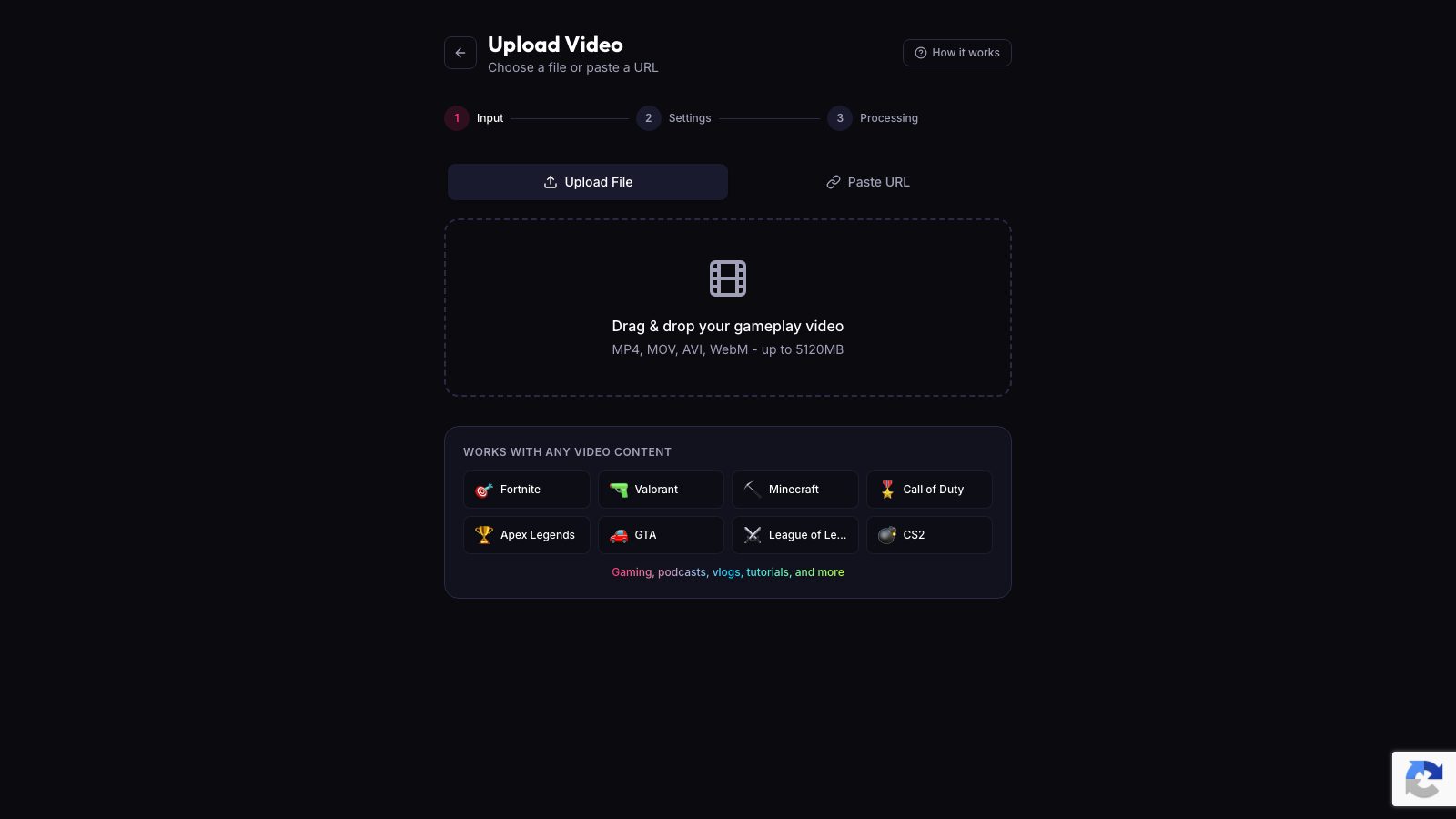
A clear workflow keeps your content under control: stream, download, clip, review, post. No surprises, no leaks, no material for scammers to misuse.
Sources
Written with AI assistance, then fact-checked and edited by Predrag Mitrovic.
Turn your next stream into Shorts
Upload a VOD or gameplay recording and ViceForge finds the best moments, cuts vertical clips and adds captions.
Clip a video with ViceForgeMore from Guides
Small Streamer in Tears After Ibai Sends Thousands to His GTA 6 Stream
A shoutout from mega-streamer Ibai Llanos sent thousands of viewers to a small GTA 6 streamer with zero audience, leaving him in tears. Here is what happened, and how to prepare your channel if a big...
Captions on Gaming Clips: Which Style Fits Your Moment
ViceForge has 15 caption styles. Bold for kills, Minimal for reactions, Clean for talk. Here's which style fits your clip and how to pick it.

Instagram's Amazon Affiliate Links: What Creators Should Know
Instagram now lets creators link directly to Amazon products. Some influencers are skeptical about earnings and what they are agreeing to.